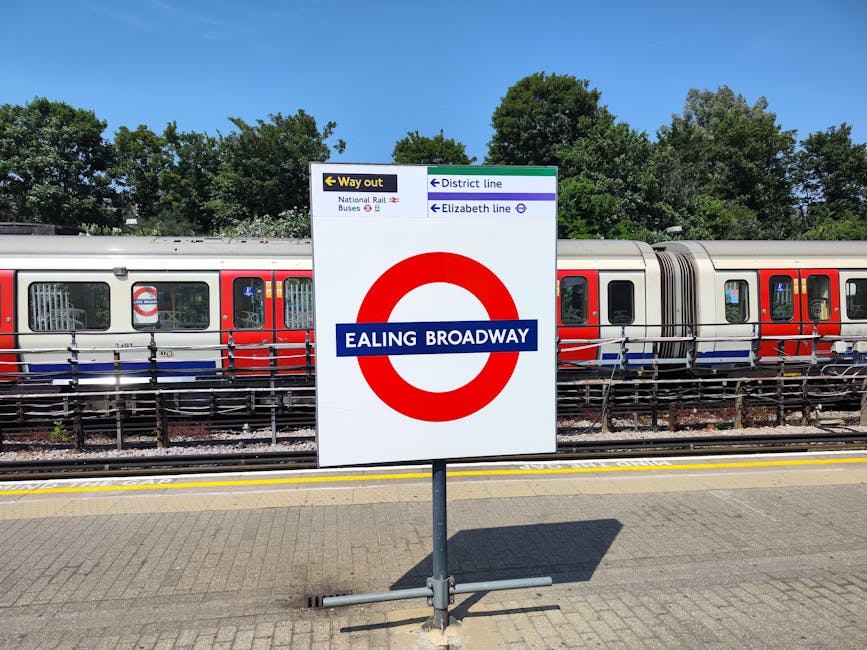

Ealing removals near Ealing Broadway station W5
Posted on 19/06/2026
Ealing removals near Ealing Broadway station W5: a practical local guide for a smoother move
If you are planning Ealing removals near Ealing Broadway station W5, you are probably juggling a few things at once: tight timing, parking worries, packing chaos, and the general feeling that the house has started to shrink around the boxes. Fair enough. Moving close to Ealing Broadway is not just another London move; it comes with station traffic, busier roads, flats above shops, and the kind of access issues that can turn a simple job into a long afternoon if nobody plans properly.
This guide walks you through what local removals near Ealing Broadway usually involve, how to prepare, what service options make sense, and where people tend to trip themselves up. You will also find a checklist, a comparison table, and practical advice shaped around real moving-day situations rather than airy generalities. If you want a wider overview of local moving support, it can help to start with the services overview and then narrow down the right fit for your move.

Why Ealing removals near Ealing Broadway station W5 Matters
Ealing Broadway is one of those places where convenience is brilliant until moving day arrives. The station brings steady footfall, nearby roads can get busy without much warning, and loading access is not always as simple as "pull up outside." If your property is on a side street, above a parade of shops, or in a block with limited access, the logistics matter almost as much as the lifting.
That is the core reason local knowledge pays off. A removals team familiar with the area is more likely to anticipate issues like restricted stopping space, narrow entrances, or the need to keep the job moving quickly around commuter times. In practice, that can mean fewer delays and less stress. And less stress matters more than people admit. Let's face it, nobody wants to be standing on the pavement at 7:30 in the morning wondering where the van can legally stop.
Ealing Broadway also sits in a part of West London where many homes are a mix of period houses, converted flats, and modern apartment blocks. Each type brings its own moving quirks. A terraced house might be easy to access but awkward for larger furniture. A flat could be closer to the station but involve stairs, lifts, or shared entrances. If you are moving into a smaller home, flat removals in Ealing often need a more careful, room-by-room approach than a simple drive-and-drop job.
There is also the simple matter of time. When a move is near a transport hub, it can be tempting to assume everything will be quick because the destination is central and "easy to find." In reality, what slows things down is usually access, not distance. A short journey from one Ealing address to another can still take planning if the loading point is awkward or the furniture is bulky.
How Ealing removals near Ealing Broadway station W5 Works
Most local removals follow the same broad pattern, but the small details make the difference. A good moving process near Ealing Broadway usually starts with assessing the size of the job, the access at both properties, and the amount of packing support needed. After that, the removal vehicle, crew size, and timing can be matched to the move rather than guessed at the last minute.
For smaller moves, people often choose a man and van in Ealing or a man with van service. These options can work well for student rooms, one-bedroom flats, online marketplace pickups, or a partial house move. For larger moves, a full removals service or a bigger removal van in Ealing may be more suitable, especially if you have multiple rooms of furniture and fragile household items.
On moving day, the sequence is usually simple in theory:
- Protect the property and the items.
- Load the heaviest and most awkward furniture first.
- Stack boxes securely so nothing shifts in transit.
- Check each room before leaving.
- Unload in a sensible order at the new address.
Of course, theory and reality are not always best friends. A lift may be busy. A parking space may disappear. A sofa may be slightly wider than anyone remembered. That is normal enough. The point is not perfection; the point is having a process that adapts without turning the move into a drama.
If you need a broader moving package, removal services in Ealing can cover a more complete move, while removals in Ealing is a useful starting point for comparing options and understanding what level of help you actually need.
Key Benefits and Practical Advantages
The strongest reason to book local help near Ealing Broadway station is not just convenience. It is control. A well-organised removal reduces the chance of damage, keeps time on your side, and makes the day feel manageable instead of random.
- Better access planning: local crews are more likely to know where loading gets awkward and where timing matters most.
- Less manual strain: bulky items, awkward stairs, and tight hallways are handled with the right lifting approach.
- Faster turnaround: a focused team can finish a small or medium move without endless back-and-forth.
- More suitable vehicle choice: you do not pay for more van than you need, or squeeze too much into too little space.
- Reduced risk of damage: careful wrapping, loading order, and route planning all matter more than people think.
There is also a quiet benefit that is easy to underestimate: peace of mind. If you know the team has handled similar local moves before, you stop second-guessing every detail. That alone can make the whole day feel lighter. A bit less mental clutter, which is nice for once.
For furniture-heavy homes, the right support matters even more. If you are moving wardrobes, beds, tables, or dining sets, take a look at furniture removals in Ealing. And if a delicate item is part of the move, such as a keyboard or upright instrument, piano removals in Ealing deserve specialist handling rather than a hopeful lift and a prayer.
Who This Is For and When It Makes Sense
Not every move needs the same level of support. The right option depends on your property type, your schedule, and how much you are moving. That said, Ealing removals near Ealing Broadway station W5 make particular sense for a few common situations.
- Flat movers: If you live in a conversion, maisonette, or apartment block, access planning can save a lot of time.
- Families moving home: House moves bring more furniture, more packing, and more things that mysteriously appear in the final 48 hours.
- Students and sharers: Smaller loads often suit compact van services and flexible booking windows.
- Office teams: If a business is relocating or changing workspaces, timing and safe transport matter enormously.
- Last-minute movers: If the schedule is tight, a same-day or rapid-response option may be the only sensible choice.
If you are moving into or out of rented property, the checklist can get a bit more annoying, to be fair. Deposit concerns, keys, condition reports, and end-of-tenancy timing all stack together. In those cases, a local move plan with clear packing and dispatch times can prevent that last-hour scramble.
For more specifically sized moves, house removals in Ealing suit full household relocations, while office removals in Ealing are better for commercial moves that need a cleaner schedule and careful handling of equipment. If you are a student on a tighter budget, student removals in Ealing can be a more appropriate fit. Simple really, though the details matter.
Step-by-Step Guidance
A smooth move near Ealing Broadway usually comes down to good sequencing. Here is a practical way to handle it without overcomplicating things.
1) Start with a realistic inventory
List the big items first. Beds, sofas, wardrobes, dining tables, desks, white goods, mirrors, and anything awkwardly shaped. Then add boxes, bags, and loose items. A rough list is enough at the start, but it should be honest. If your "one-bedroom move" includes a garage's worth of extras, say so early.
2) Check access at both ends
Measure stairs, lifts, hallway widths, door frames, and any tight turns. In a station-area move, access can be the hidden troublemaker. A van parked 30 seconds away from the entrance is not the same as one parked right outside. That little difference can change the day.
3) Decide what you are packing yourself
Some people box up everything. Others want the removals team to handle fragile or awkward items. If you need help gathering materials first, packing and boxes in Ealing can be part of the planning process, and a clear packing strategy usually pays off on the day.
4) Match the service to the job
Small move? A flexible van service may be enough. Full family relocation? You may need a larger vehicle and a more structured team. If you are moving quickly or in an emergency, same-day removals in Ealing can be useful, but only if the inventory and access are clear enough to make that workable.
5) Prepare essentials separately
Keep chargers, medication, documents, tea bags, and a change of clothes in one bag you will not accidentally load first. This is not glamorous advice, but it prevents that strange first-night panic when you cannot find the kettle or your work laptop.
6) Confirm timing and payment details
Before moving day, confirm arrival time, contact numbers, payment method, and what happens if the schedule changes. That sounds obvious. People still skip it. When a move is already busy, clarity saves energy.
7) Do a final room-by-room sweep
Open cupboards, check behind doors, look on top of wardrobes, and glance inside the utility area or balcony. One forgotten charger can become oddly important after a long day.
Expert Tips for Better Results
These are the small habits that tend to make a real difference. Nothing magical. Just better decisions.
- Label by room and priority: write "kitchen - first night" or "bedroom - essentials" so unloading is quicker.
- Use consistent box sizes where possible: they stack better and reduce the chance of collapse during transit.
- Keep heavy items in smaller boxes: books are lovely until they become unliftable.
- Protect corners and glass: a few minutes of wrapping can save hours of regret.
- Book early for busy periods: end-of-month and weekend slots fill up quickly near transport hubs.
- Tell the team about stairs, lifts, and parking constraints: not afterwards. Beforehand.
One local tip that many people ignore: if you are moving from a road near Ealing Broadway, try to avoid building your schedule around peak commuter pressure unless you have to. The difference between a calm start and a frazzled one can be something as simple as 30 minutes.
And yes, sometimes the move is just messy. A box tears. A drawer slides. A sock goes missing for no sensible reason. That happens. Good planning does not remove every inconvenience, but it does keep the whole thing from spiralling.
If you want to understand the company behind the service before booking, read about the team. A moving job always feels easier when you know who is turning up and what standards they work to.

Common Mistakes to Avoid
Many moving problems are avoidable. The tricky bit is that they often look small at the planning stage.
- Underestimating volume: a "few boxes" can become a second vanload very quickly.
- Leaving packing too late: the final night is rarely the best time to wrap glassware.
- Not checking access: lifts, stairs, and parking can change the entire job.
- Mixing essentials with general items: this makes the first night unnecessarily awkward.
- Forgetting building rules: some properties have booking windows or move restrictions.
- Choosing only by price: cheap can work, but only if the service actually fits the move.
A particularly common one near busy stations is assuming the van can simply wait wherever needed. Usually it cannot. Better to ask the question early than to discover the answer when half your living room is on the pavement. Not ideal.
It is also wise not to split responsibility too vaguely. If one person thinks the boxes are packed and another thinks the wardrobe is being dismantled, the day gets weird in a hurry. Clear ownership solves more than it sounds like it should.
Tools, Resources and Recommendations
You do not need fancy equipment for a good move, but the right basics help a lot.
- Sturdy boxes: preferably a mix of small, medium, and a few larger ones for light items.
- Packing tape and tape dispenser: faster and safer than wrestling with loose tape.
- Marker pens: label every box clearly.
- Bubble wrap or paper wrap: for glass, artwork, and fragile kitchenware.
- Furniture covers and blankets: useful for protecting corners and polished surfaces.
- Trolley or sack truck: especially helpful for heavier items and apartment moves.
- Zip bags for screws and fixings: keep them taped to the relevant furniture piece.
For customers who want to reduce waste, recycling and sustainability is worth considering during a move. Old boxes, packaging, and unwanted items are easier to handle if you plan for them instead of leaving everything in a pile at the end.
If you are comparing offers, pricing and quotes can help you understand what affects cost and why one job may need more time, labour, or vehicle space than another. That is usually more useful than trying to guess from a simple headline price.
Law, Compliance, Standards, or Best Practice
For most household removals, there is no dramatic legal hurdle to jump through, but there are still sensible standards to follow. In the UK, moving work should be carried out with care for safety, access, and property protection. That means appropriate lifting, sensible loading, and honest communication about risks or constraints. No heroics. Nobody needs heroics on moving day.
Good practice also includes insurance awareness. If you are moving valuable or fragile items, ask what cover is in place and what is excluded. You do not need to memorise policy language, but you do need to know whether the service you choose fits the risk level of your move. For a closer look at the practical side of that, insurance and safety is a sensible page to review before you book.
For business customers, punctuality, property protection, and clear handling procedures matter even more. Office moves often involve equipment, records, and shared spaces, so the standard has to be a bit tighter. Likewise, if workers are involved, a provider should be paying attention to basic health and safety responsibilities. That is why pages like health and safety policy and terms and conditions can be worth reading, even if they are not exactly thrilling bedtime material.
Trust also matters. Customers should know how to raise a concern if something goes wrong, how data is handled, and what service standards to expect. Clear policies are not there for decoration; they are part of a proper professional setup. A little boring, yes. Also reassuring.
Options, Methods, or Comparison Table
Here is a straightforward comparison of the most common removal options people use near Ealing Broadway station W5.
| Option | Best for | Strengths | Watch-outs |
|---|---|---|---|
| Man and van | Small flats, students, single-room moves | Flexible, usually efficient, good for lighter loads | May not suit full houses or large furniture sets |
| Removal van service | Medium to larger domestic moves | More space, more structure, better for multiple items | Needs clearer planning and access coordination |
| Full removal service | Whole-house or office relocations | More hands on deck, better for complex moves | Usually requires earlier booking and more detail |
| Same-day move | Urgent situations | Fast response, useful when timing is tight | Less flexible if access, volume, or packing is unclear |
If you are still deciding, start by matching the move to the vehicle and crew, not the other way around. That sounds obvious, but people regularly do the reverse. They book a van first and then discover the wardrobe, two bikes, and the dismantled bed frame do not fit neatly into the picture.
For many local readers, the choice comes down to whether the move is a small load, a full home, or something in between. If you are unsure, compare the services first and then build the plan from there.
Case Study or Real-World Example
Here is a typical scenario. A couple moving from a second-floor flat near Ealing Broadway station to a family house a short drive away might assume the job is simple because the distance is short. But the flat has a narrow stairwell, one sofa needs careful turning, and the loading space outside is limited to a small window before traffic builds up.
In a case like that, the job runs better when the removal team arrives with a clear plan: protect the furniture first, move the awkward items before the light boxes, and keep a short line of communication open with the client. One person stays inside to guide the lifting route. Another checks the van load order. Nobody is wandering off to look for missing tape. Well, not ideally.
What usually makes the move feel easier is not speed for its own sake, but sequence. The sofa goes first. Then the mattress. Then the boxes that stack neatly. The small essentials bag stays separate. By the time the van closes, the moving day feels organised rather than improvised.
That is the kind of outcome people want from Ealing removals near Ealing Broadway station W5: not perfection, just a calm enough day that you can breathe, make tea, and settle in without wondering where half the cutlery has gone.
Practical Checklist
Use this before moving day. It keeps the final stretch manageable.
- Confirm the moving date, arrival time, and contact details.
- List all large furniture and fragile items.
- Check access at both properties, including stairs and lifts.
- Reserve parking or note stopping restrictions if needed.
- Pack a separate essentials bag for the first 24 hours.
- Label boxes by room and priority.
- Disassemble furniture that needs it, or confirm who will do that.
- Wrap glass, mirrors, and corners properly.
- Keep screws, cables, and fittings in labelled bags.
- Review insurance and service terms before the move.
- Arrange storage if you will not move everything at once.
- Do one final walk-through of every room.
If you are between homes or need a bit of breathing space during a phased move, storage in Ealing can make the process much easier. That is especially useful when completion dates shift or when the new place is not quite ready. Happens more often than people like, sadly.
Get a free quote today and see how much you can save.
Conclusion
Ealing Broadway is a lively, convenient place to move from or to, but that same convenience comes with planning challenges. The best removals are the ones that feel uneventful in the right way: the van arrives, the items are protected, access is handled sensibly, and you are not left improvising on the pavement with a half-dismantled bed frame.
Whether you need a small van for a flat move, a full domestic relocation, or something more urgent, the smartest approach is to match the service to the property, the volume, and the timing. Keep your inventory honest, pack early, and ask about access before the day itself. That alone solves a surprising amount.
If you want a move that feels steady, local, and properly thought through, you are already on the right track. Take it step by step. The rest follows.